
01
AppearanceFinish tone, edge quality, upholstery pull, seam line, surface defects, and visible transitions are checked against the approved sample.

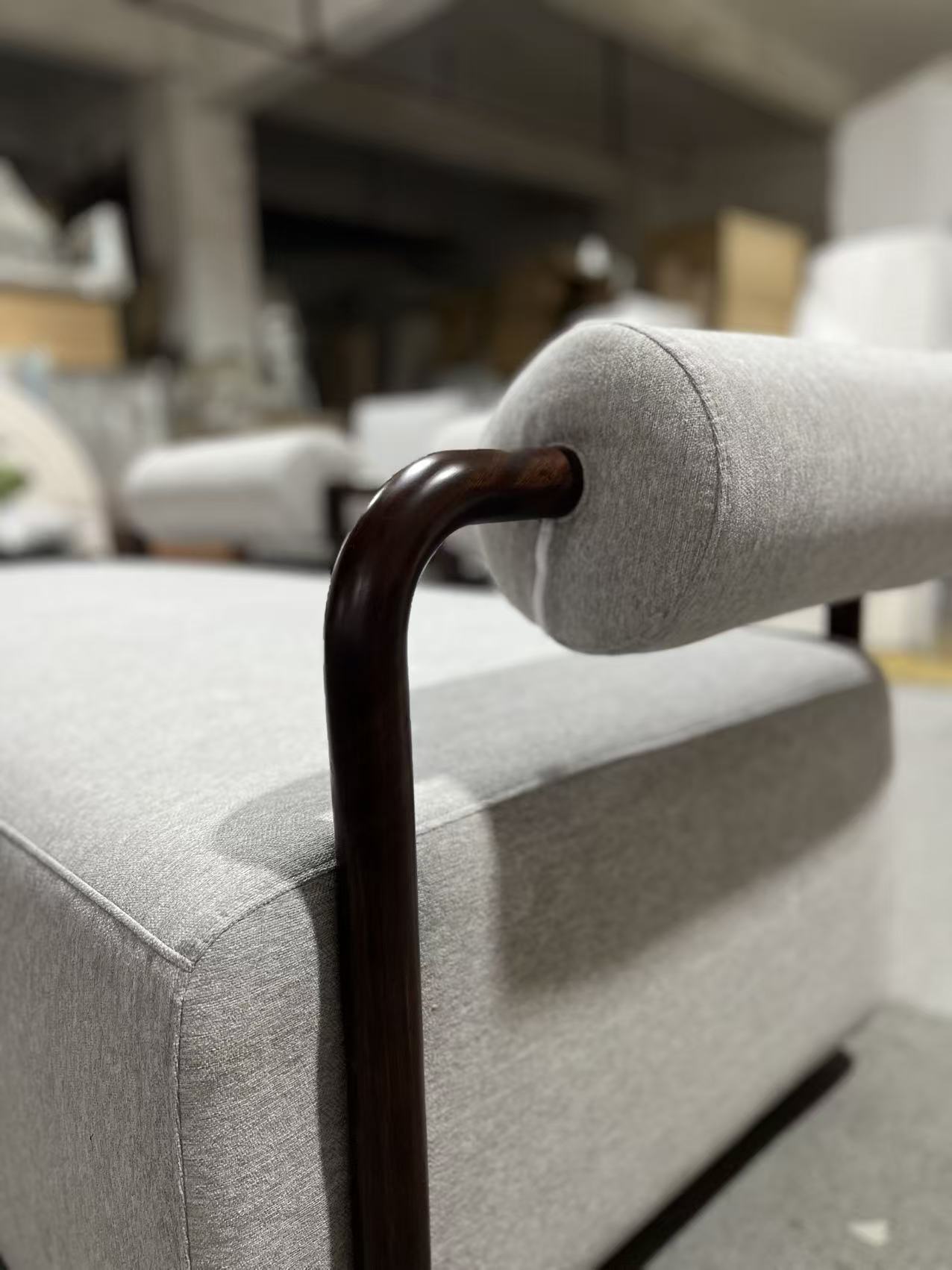
Before inspection begins, the approved sample, finish chip, shop drawing, room list, packing list, and project tolerance are brought back into one review basis. This keeps the conversation objective: the question is not whether a piece looks good in isolation, but whether it matches what was approved for the hotel project.
That is why the QC page should feel calm and procedural. The buyer needs to see that the release decision is made from evidence, not from a generic factory promise.

Finish tone, edge quality, upholstery pull, seam line, surface defects, and visible transitions are checked against the approved sample.
Widths, heights, drawer gaps, openings, and interface points are measured against drawings and room lists.
Drawer action, hinge behavior, hardware fit, stability, safety, and guest-use performance are tested before release.
Wood, veneer, upholstery, stone, metal, coating, and mixed-material junctions are reviewed for project-specific risk.
Labels, carton marks, accessory kits, protection, room code, and hold segregation are checked before loading.
AQL sampling, defect class, corrective closure, report status, and loading readiness decide pass, hold, or no release.
Finish tone, edge quality, upholstery pull, seam line, surface defects, and visible transitions are checked against the approved sample.

Furniture QC pages that work well do more than say ‘we inspect.’ They show what the buyer receives: item identity, defect wording, measurements, close-up photos, owner, correction method, and final release status.
PO, room type, item code, finish code, inspected quantity, sampling level.
Location, condition, severity, owner, required correction, remaining risk.
Wide identity shot, macro defect, measurement proof, operation video, carton mark.
Same-point recheck evidence before status changes from hold to release-ready.
AQL guides sampling, but shipment release depends on what the evidence proves. Open critical defects, repeated major defects, missing accessories, or incomplete carton identity should stop the loading instruction.
Evidence is complete, counts are right, labels match, and no open issue threatens installation, appearance, or guest use.
Shipment stays paused while rework closes, replacement quantity is confirmed, or repeated findings widen to batch review.
Critical safety risk, wrong-item mix, unresolved major trend, or incomplete packing identity blocks the container move.
Share approved samples, room lists, quality priorities, and inspection timing. Craftora can shape the review board around the checks that actually decide whether a hotel furniture shipment can move.


Support
Typically replies within an hour